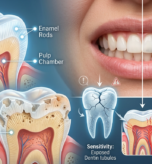
Getting a dental filling is one of the most common dental procedures, designed to restore damaged teeth and protect them from further decay. However, many patients notice tooth sensitivity after fillings, especially when eating hot, cold, sweet, or crunchy foods.
So, is this sensitivity normal, or is it a sign that something is wrong? In this guide, we’ll explain why sensitivity happens, how long it lasts, and when you should see your dentist.
Why Does Tooth Sensitivity Happen After Fillings?
Tooth sensitivity after a filling occurs because the tooth has undergone a procedure that affects its structure and nerve endings. During a filling, decayed tooth material is removed, and a restorative material is placed to seal the cavity.
This process can temporarily irritate the tooth’s nerve, especially if the cavity was deep. As a result, the tooth may react to stimuli like temperature changes or pressure.
Common causes include:
- Nerve irritation: The drilling process can inflame the tooth’s pulp (nerve tissue).
- Deep cavities: Fillings placed close to the nerve can cause heightened sensitivity.
- New filling material: Teeth may react to composite, amalgam, or ceramic materials.
- Bite misalignment: If the filling is too high, it can cause pressure and discomfort when biting.
Is Tooth Sensitivity After Fillings Normal?
Yes, mild to moderate sensitivity is normal after getting a filling. Most patients experience sensitivity for a few days to a couple of weeks as the tooth heals and adapts to the new material.
Typical symptoms that are usually normal:
- Sensitivity to cold or hot drinks
- Mild discomfort when chewing
- Sensitivity to sweet foods
- Slight aching that gradually improves
If these symptoms improve over time, they are usually part of the normal healing process.
How Long Does Sensitivity Last After a Filling?
The duration of tooth sensitivity depends on several factors, including the depth of the cavity and the type of filling material used.
Typical timelines:
- 1–3 days: Mild sensitivity is common immediately after the procedure.
- 1–2 weeks: Sensitivity should gradually decrease.
- Up to 4 weeks: Some deep fillings may take longer to settle.
If sensitivity lasts longer than a month or worsens, it may indicate a problem that requires dental evaluation.
When Is Tooth Sensitivity a Warning Sign?
While sensitivity is often normal, certain symptoms may indicate a complication. You should contact your dentist if you experience:
- Persistent or Severe Pain
If pain does not improve or becomes intense, it may indicate nerve damage or infection.
- Pain When Biting or Chewing
This could mean the filling is too high, causing improper bite alignment.
- Sensitivity That Worsens Over Time
Normal sensitivity should improve, not get worse. Increasing pain may signal pulp inflammation or decay under the filling.
- Throbbing or Spontaneous Pain
Pain that occurs without any trigger can be a sign of pulpitis or abscess.
- Cracked or Loose Filling
If the filling feels rough, cracked, or loose, bacteria can enter and cause sensitivity and decay.
How to Relieve Tooth Sensitivity After Fillings
If your sensitivity is mild and temporary, you can manage it at home with these tips:
Use a Desensitizing Toothpaste
Toothpaste designed for sensitive teeth helps block nerve signals and reduce discomfort.
Avoid Trigger Foods
Stay away from very hot, cold, sweet, or acidic foods for a few days after your filling.
Maintain Good Oral Hygiene
Brush twice daily and floss regularly to prevent further irritation or decay.
Rinse with Warm Salt Water
Saltwater rinses can reduce inflammation and soothe sensitive gums and teeth.
Avoid Clenching or Grinding
If you grind your teeth, consider a night guard to protect the filling and reduce nerve stress.
Can Tooth Sensitivity After Fillings Be Prevented?
While some sensitivity is unavoidable, you can reduce your risk with preventive measures:
- Visit your dentist regularly for early cavity detection
- Choose high-quality filling materials
- Ensure your bite is checked after the procedure
- Follow post-filling care instructions carefully
- Treat cavities early before they become deep
Early treatment often means less drilling, less nerve irritation, and less post-procedure sensitivity.
What Happens If Sensitivity Is Ignored?
Ignoring persistent sensitivity can lead to serious dental issues, such as:
- Pulp infection or abscess
- Need for root canal treatment
- Cracked or fractured tooth
- Tooth loss in severe cases
Seeing your dentist early can prevent complications and save both time and cost.
When to See a Dentist
Schedule a dental appointment if:
- Sensitivity lasts more than 2–4 weeks
- Pain is severe or keeps you awake at night
- You feel pain when biting down
- You notice swelling, bad taste, or fever
- The filling feels rough or uneven
Your dentist may adjust the filling, prescribe medication, or recommend further treatment if needed.
Tooth sensitivity after fillings is common and usually temporary, especially in the first few days or weeks. However, persistent or severe sensitivity can be a warning sign of underlying dental issues that should not be ignored.
If you’re experiencing ongoing discomfort after a filling, the best step is to consult your dentist for a thorough evaluation. Early intervention can prevent complications and keep your smile healthy and pain-free.
Looking for expert dental care?
Book an appointment with our experienced dental team today and get personalized advice for your oral health.