When most people think of a dental exam, they imagine checking for cavities, gum disease, or plaque buildup. While these are important, modern dentistry goes a step further. One critical component that often goes unnoticed by patients—but plays a huge role in long-term oral health—is bite analysis.
Your bite, also known as occlusion, affects far more than just how your teeth fit together. It influences jaw comfort, tooth wear, headaches, posture, and even the lifespan of dental restorations. That’s why bite analysis has become a standard part of comprehensive dental exams today.
Let’s explore why dentists prioritize bite analysis and how it protects your smile.
What Is Bite Analysis?
Bite analysis is the process of evaluating how your upper and lower teeth come together when you bite, chew, or speak. Dentists assess:
- Tooth alignment
- Jaw position and movement
- Pressure distribution while biting
- Signs of grinding or clenching
- Uneven wear patterns
Using tools like digital scanners, articulating paper, X-rays, and clinical observation, dentists can detect even minor imbalances that may lead to major problems over time.
Why Your Bite Matters More Than You Think
A healthy bite should distribute pressure evenly across all teeth. When it doesn’t, certain teeth or jaw muscles work harder than they should. Over time, this imbalance can cause a chain reaction of oral and facial issues.
Common problems linked to poor bite alignment include:
- Jaw pain or stiffness
- Clicking or popping sounds in the jaw
- Headaches or facial pain
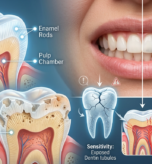
- Tooth sensitivity
- Cracked or worn-down teeth
- Loose fillings or crowns
- Gum recession
Bite analysis helps dentists identify these risks early—often before symptoms become painful or costly.
Bite Analysis and Jaw Joint Health (TMJ)
Your temporomandibular joints (TMJ) connect your jaw to your skull. When your bite is misaligned, these joints are forced to compensate, leading to TMJ disorders.
Modern dental exams include bite evaluation to check for:
- Jaw deviation while opening or closing
- Muscle strain
- Uneven jaw movement
- Signs of clenching or grinding
By identifying bite-related stress on the TMJ early, dentists can recommend preventive solutions such as night guards, orthodontic adjustments, or bite correction therapy.
Preventing Tooth Wear and Damage
One of the biggest reasons bite analysis is essential is tooth preservation.
An uneven bite causes certain teeth to absorb excessive pressure, leading to:
- Enamel erosion
- Flattened chewing surfaces
- Micro-cracks in teeth
- Increased risk of fractures
Even patients with excellent oral hygiene can experience premature tooth damage due to bite issues. Bite analysis allows dentists to protect natural teeth and extend their lifespan.
Why Bite Analysis Is Crucial for Dental Treatments
Modern dental treatments rely heavily on accurate bite alignment. Whether you’re getting a filling, crown, bridge, veneers, or implants, your bite must be balanced for long-term success.
Without bite analysis:
- Crowns may feel “too high”
- Fillings may wear out faster
- Implants may experience excess force
- Orthodontic results may relapse
Dentists use bite analysis to ensure restorations fit comfortably and function naturally—reducing the risk of adjustments, discomfort, or failure.
Digital Bite Analysis: A Modern Advantage
Advancements in dental technology have made bite analysis more precise than ever. Many modern dental clinics now use digital bite analysis systems that measure pressure points and jaw movement in real time.
Benefits of digital bite analysis include:
- Faster diagnosis
- More accurate treatment planning
- Better patient comfort
- Visual explanations for patients
- Long-lasting treatment results
This technology allows dentists to detect problems that may not be visible to the naked eye.
Who Should Get a Bite Analysis?
Bite analysis isn’t just for patients with pain or obvious problems. It’s recommended for:
- Routine dental checkups
- Patients with frequent headaches or jaw pain
- Teeth grinders or clenchers
- Patients planning cosmetic or restorative work
- Orthodontic patients
- Anyone experiencing tooth sensitivity without cavities
Even subtle bite issues can worsen over time if left untreated.
The Long-Term Benefits of Bite Analysis
Including bite analysis in your dental exam offers long-term advantages, such as:
- Reduced jaw and facial pain
- Lower risk of tooth fractures
- Improved chewing efficiency
- Longer-lasting dental restorations
- Better overall oral comfort
Most importantly, it helps dentists shift from reactive treatment to preventive care.
A Smarter Approach to Dental Health
Modern dentistry is no longer just about fixing problems—it’s about preventing them. Bite analysis plays a vital role in identifying hidden issues that could impact your oral health, comfort, and quality of life.
If your dental exam includes bite analysis, it’s a sign that your dentist is taking a comprehensive, forward-thinking approach to your care.
👉 Schedule a complete dental exam today and make sure your bite is working for your smile—not against it.