When it comes to dental health, one of the most important facts to understand is this: tooth enamel does not grow back.
Unlike skin or bone, your enamel—the outer layer of your teeth—cannot regenerate once it’s damaged. This makes protecting it essential for maintaining a healthy smile over time.
But why doesn’t enamel grow back? And what does that mean for your daily habits and long-term dental care?
Let’s break it down.
What Is Tooth Enamel?
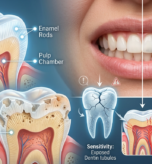
Enamel is the hard, protective outer layer of your teeth. It acts as a shield, protecting the inner layers from:
- Bacteria
- Acid attacks
- Temperature changes
- Physical wear and tear
It’s actually the hardest substance in the human body, even stronger than bone.
Despite its strength, enamel is not indestructible—and once it’s damaged, the body cannot repair it naturally.
Why Enamel Can’t Regrow
The main reason enamel doesn’t grow back comes down to biology.
Enamel is formed by specialized cells called ameloblasts during tooth development. These cells are only active before your teeth fully erupt.
Once your teeth are fully formed:
- Ameloblasts disappear
- Your body loses the ability to produce new enamel
- No natural regeneration occurs
This is very different from other parts of your body.
For example:
- Skin constantly renews itself
- Bones can heal and rebuild
- Even dentin (a layer beneath enamel) can repair slightly
But enamel has no living cells, which is why it cannot repair or regrow once it’s lost.
What Causes Enamel Damage?
Because enamel can’t regenerate, understanding what damages it is critical.
Acid Erosion
Acid is one of the biggest threats to enamel.
Sources include:
- Sugary foods and drinks
- Soda and energy drinks
- Citrus fruits
- Acid reflux
Acid softens enamel, making it easier to wear away over time.
Poor Oral Hygiene
Not brushing and flossing regularly allows plaque and bacteria to build up, which produce acids that attack enamel.
Teeth Grinding (Bruxism)
Grinding your teeth—especially at night—can gradually wear down enamel.
Aggressive Brushing
Brushing too hard or using a hard-bristled toothbrush can physically wear away enamel over time.
Dry Mouth
Saliva helps neutralize acids. Without enough saliva, your teeth are more vulnerable to damage.
What Happens When Enamel Wears Away?
When enamel is lost, the underlying layer called dentin becomes exposed.
This can lead to:
- Tooth sensitivity (especially to hot or cold)
- Increased risk of cavities
- Yellowing of teeth (dentin is darker than enamel)
- Higher chance of cracks and damage
Since enamel doesn’t grow back, these effects can worsen over time if not addressed.
Can Enamel Be Repaired at All?
While enamel cannot regrow, it can be strengthened and protected through a process called remineralization.
This involves restoring minerals like calcium and phosphate to the enamel surface.
How Remineralization Helps
- Strengthens weakened enamel
- Slows down early decay
- Helps reverse very early stages of damage
Fluoride plays a key role in this process by making enamel more resistant to acid attacks.
However, it’s important to understand:
Remineralization does not rebuild lost enamel—it only strengthens what remains.
How to Protect Your Enamel
Since enamel loss is permanent, prevention is everything.
Use Fluoride Toothpaste
Fluoride helps strengthen enamel and protect against decay.
Brush Gently
Use a soft-bristled toothbrush and avoid brushing too hard.
Limit Acidic and Sugary Foods
Reduce consumption of soda, candy, and acidic drinks.
Stay Hydrated
Drinking water supports saliva production, which helps protect enamel.
Avoid Brushing Immediately After Acidic Foods
Wait about 30 minutes before brushing to prevent further enamel wear.
Wear a Mouthguard if You Grind Your Teeth
This protects enamel from mechanical damage.
Visit Your Dentist Regularly
Routine checkups help detect early signs of enamel wear and prevent further damage.
Why This Matters for Your Long-Term Health
Because enamel doesn’t regenerate, small daily habits can have a big long-term impact.
Ignoring enamel health can lead to:
- More frequent dental treatments
- Increased sensitivity and discomfort
- Higher risk of tooth damage or loss
On the other hand, protecting your enamel helps you:
- Maintain strong, healthy teeth
- Avoid costly dental procedures
- Preserve your natural smile
Enamel is incredibly strong—but it has one major limitation: it doesn’t grow back.
That makes prevention and protection essential.
By understanding what damages enamel and taking simple steps to protect it, you can maintain your oral health for years to come.
Think of enamel as a non-renewable resource—once it’s gone, it’s gone. The goal isn’t to fix it later, but to protect it now.