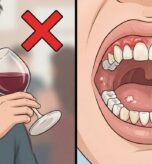
Your tongue does much more than help you speak and taste food — it can also act as a quiet indicator of what’s happening inside your body. While it is not a diagnostic tool on its own, changes in the tongue’s appearance, texture, and moisture levels can sometimes give early clues about dehydration or underlying illness.
Dentists and doctors often observe the tongue during routine check-ups because it reflects both oral and overall health. So, can your tongue really predict dehydration or illness? In many cases, yes — it can offer important warning signs worth paying attention to.
The Tongue as a Health Indicator
A healthy tongue is typically pink, moist, and covered with small, uniform bumps (papillae). It should not feel dry, overly coated, or painful.
When something in the body is off balance — whether due to dehydration, infection, or nutritional deficiency — the tongue is often one of the first areas to show visible changes.
Because it is constantly exposed to saliva, bacteria, food, and air, even small internal changes can reflect quickly on its surface.
- Dry or Rough Tongue: A Common Sign of Dehydration
One of the earliest and most common signs of dehydration is a dry tongue. When the body lacks enough fluids, saliva production decreases. This leads to a sticky, rough, or even cracked tongue surface.
You may also notice:
- A dry mouth along with thick saliva
- Difficulty speaking or swallowing comfortably
- A feeling of thirst that doesn’t go away easily
- Slight burning sensation on the tongue
In mild dehydration, these symptoms can appear before other systemic signs like dizziness or fatigue. Increasing water intake usually restores normal tongue moisture fairly quickly.
- White Coating: Bacterial Build-Up or Illness
A thin white coating on the tongue is often harmless and caused by bacteria, dead cells, or food debris. However, a thick or persistent white layer can indicate something more.
Possible causes include:
- Poor oral hygiene
- Dehydration
- Oral thrush (a fungal infection)
- Fever or illness reducing saliva flow
In some cases, illness slows down the body’s natural cleansing process, allowing bacteria to accumulate more easily on the tongue surface.
- Red or Inflamed Tongue: Possible Deficiency or Infection
A bright red tongue is not always normal. It may signal inflammation or nutritional deficiencies, especially of vitamin B12, folic acid, or iron.
It can also appear in cases of:
- Fever or viral infections
- Geographic tongue (a harmless but irregular condition)
- Allergic reactions or irritation
If redness is accompanied by soreness or a burning sensation, it may be worth evaluating dietary intake or consulting a healthcare professional.
- Swollen Tongue: A More Serious Warning Sign
A swollen tongue can sometimes indicate an allergic reaction or infection. In severe cases, it may affect breathing or swallowing and requires immediate attention.
Less urgent causes may include:
- Dehydration-related inflammation
- Hormonal changes
- Certain medications
If swelling is sudden or severe, it should never be ignored.
- Cracks or Fissures: Dehydration or Chronic Conditions
Some people naturally have small grooves or cracks on their tongue, but deeper or more pronounced fissures can develop due to:
- Chronic dehydration
- Dry mouth conditions
- Aging
- Nutritional deficiencies
When saliva levels are low, the tongue becomes more prone to dryness and cracking, which can also trap bacteria and cause bad breath.
- Changes in Taste or Sensitivity
Illness and dehydration can also affect how your tongue functions, not just how it looks. You might notice:
- Reduced taste sensitivity
- Metallic or unusual taste in the mouth
- Burning sensation when eating spicy or acidic foods
These changes often occur when the body is under stress, fighting infection, or lacking essential nutrients.
When to Be Concerned
While temporary tongue changes are often harmless, you should pay attention if symptoms persist for more than a few days or are accompanied by:
- Fever or fatigue
- Persistent pain or swelling
- Difficulty eating or swallowing
- Long-lasting discoloration or coating
In such cases, the tongue may be reflecting an underlying condition that needs medical or dental evaluation.
Your tongue can offer valuable clues about hydration levels and overall health, but it should never be used as a standalone diagnostic tool. It acts more like a warning system — highlighting changes in the body that may need attention.
A dry, coated, swollen, or unusually colored tongue can sometimes point to dehydration, infection, or nutritional imbalance. The key is to notice patterns rather than isolated changes.
Staying hydrated, maintaining good oral hygiene, and paying attention to persistent symptoms can help ensure both your tongue and your overall health stay in balance.